Latest News
Bruce Alexander's Sir John Fielding Historical Mysteries
By Michael Dirda, Fall 2019
At this year's Malice Domestic, the annual convention for writers and readers of classic mysteries, I had dinner one night with a half dozen of its attendees. They included a leading publisher, a judge for the Edgar Awards, the field's most prominent reviewer, and two prize-winning authors. While waiting for dessert, I asked my tablemates to name their favorite detective-story writers, leaving out Arthur Conan Doyle. As you can imagine, people shouted out Christie, Queen, Carr, Sayers and other giants of the past. Suddenly, one guy said Bruce Alexander.
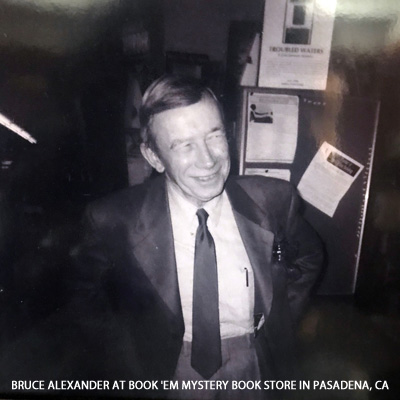 There was a moment of quiet, perhaps of surprise, and then people started to talk about how wonderful the Sir John Fielding mysteries are. I can't remember exactly what was said, but I know that anyone who picks up Blind Justice, the first book in this 11-book series, is likely to pause occasionally while reading and just smile with pleasure. If pressed to explain that smile, he or she would probably murmur some phrase like "terrific evocation of the 18th century," "such loveable characters," "a book you just sink into, like a hot bath," "beautifully worked- out plot." In fact, you can find precisely such sentiments expressed by dozens of people if you visit Goodreads and type in "Sir John Fielding Mysteries." You will seldom see so many five-star endorsements. Readers simply adore these books.
Over the past decade many people, weary of brutal modern thrillers, have been rediscovering classic and historical mysteries. For example, The British Library Crime Classics, under the direction of Detection Club president Martin Edwards, has been wildly successful in reissuing Golden-Age whodunits. After all, who doesn't yearn to put aside, at least for a while, the problems of the modern world and just surrender to great storytelling? This—with seemingly effortless ease--is what Bruce Alexander provides in the Sir John Fielding novels.
About three quarters through the old Ellery Queen mysteries, you used to find a little box labeled "Challenge to the Reader," announcing that all the clues needed to solve the murder case had been presented. Allow me to issue a different kind of "Challenge to the Reader." Pick up Blind Justice or any other Sir John Fielding book and read the first two chapters. If you can stop at that point, you either possess an iron will or a heart of stone.
But you almost certainly won't be able to stop reading and after you finish one Sir John Fielding adventure, you'll be out searching for the others. This is a series that people like to acquire in its entirety, that they tell their friends about, that they periodically reread just for the pleasure to be found in the company of Sir John and young Jeremy Proctor. If I were to suggest an analogous set of mysteries, I'd pick those featuring Rex Stout's Nero Wolfe and Archie Goodwin. While we enjoy the working out of the puzzle, we really love the characters, their interaction, their tics and crotchets, the portrait of a lost world.
Some books we read out of duty, some because they are in the news. We read a Bruce Alexander book for the best reason of all: We can't wait to start it and we can hardly bear for it to end.
Michael Dirda is a Pulitzer Prize-winning critic for The Washington Post and the author of several books about books, including On Conan Doyle, which received a 2012 Edgar Award.
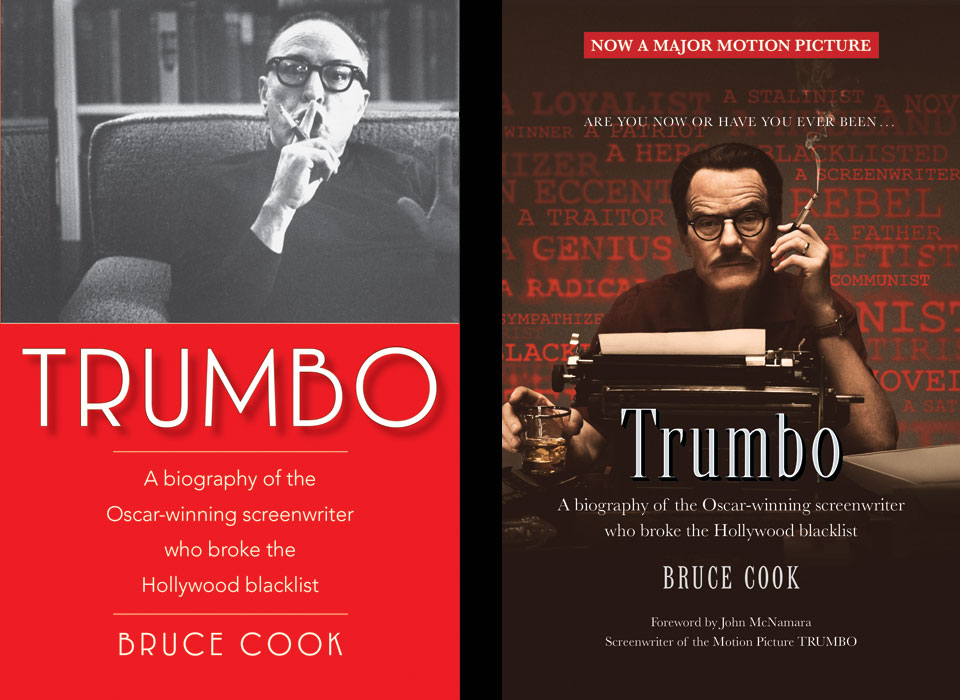
Trumbo - Now a major motion picture starring Bryan Cranston.
Related Links
- "Trumbo, soon to be a film, tells the tale of one of the Hollywood Ten", Washington Post, Michael Dirda, September 2015
- "Bryan Cranston to Bring Hollywood's Great, Notorious Screenwriter Back to Life", BookTrib, Michael Ruscoe, September, 2015
- "Bruce Cook's Trumbo: A Brilliant Light Shining Into Dark Times", Huff Post Books, Paola K Amaras, November, 2015
- 'Trumbo': The book, not the movie, captures the great writer's spirit, The Oregonian, Jeff Baker, December, 2015
- Trumbo Book Press
Social & Purchasing
About
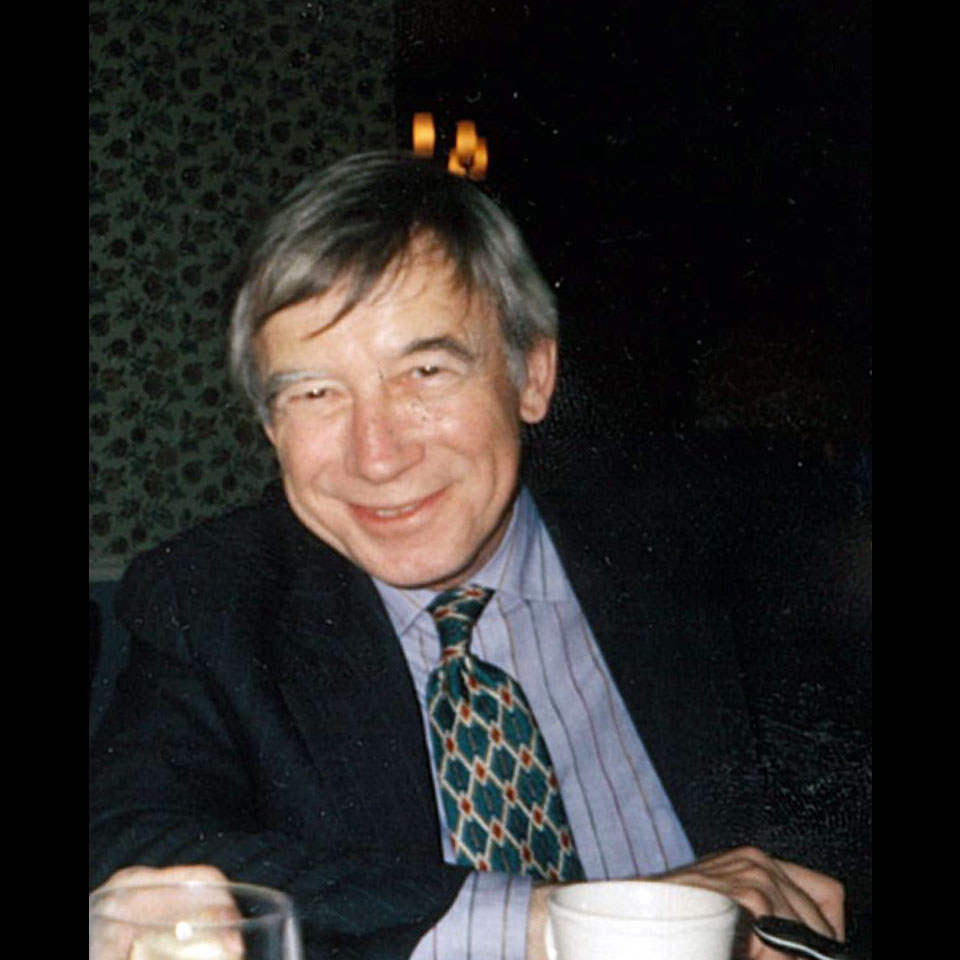
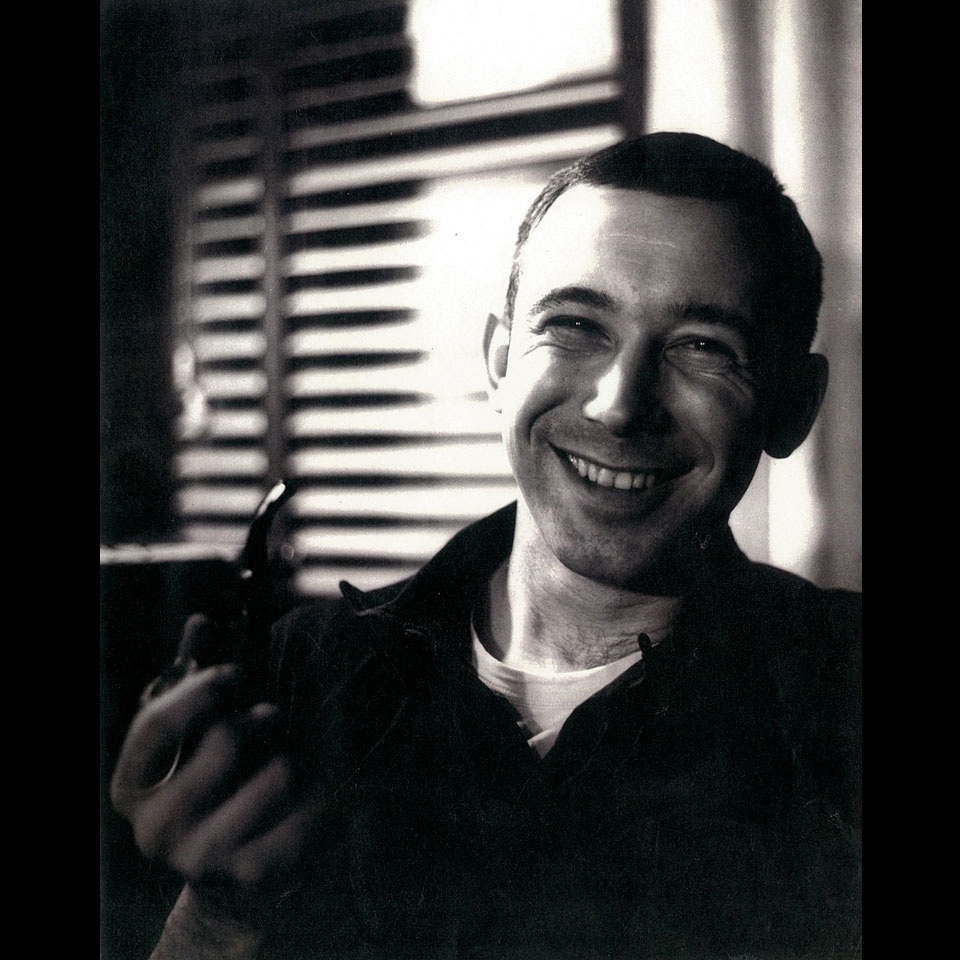
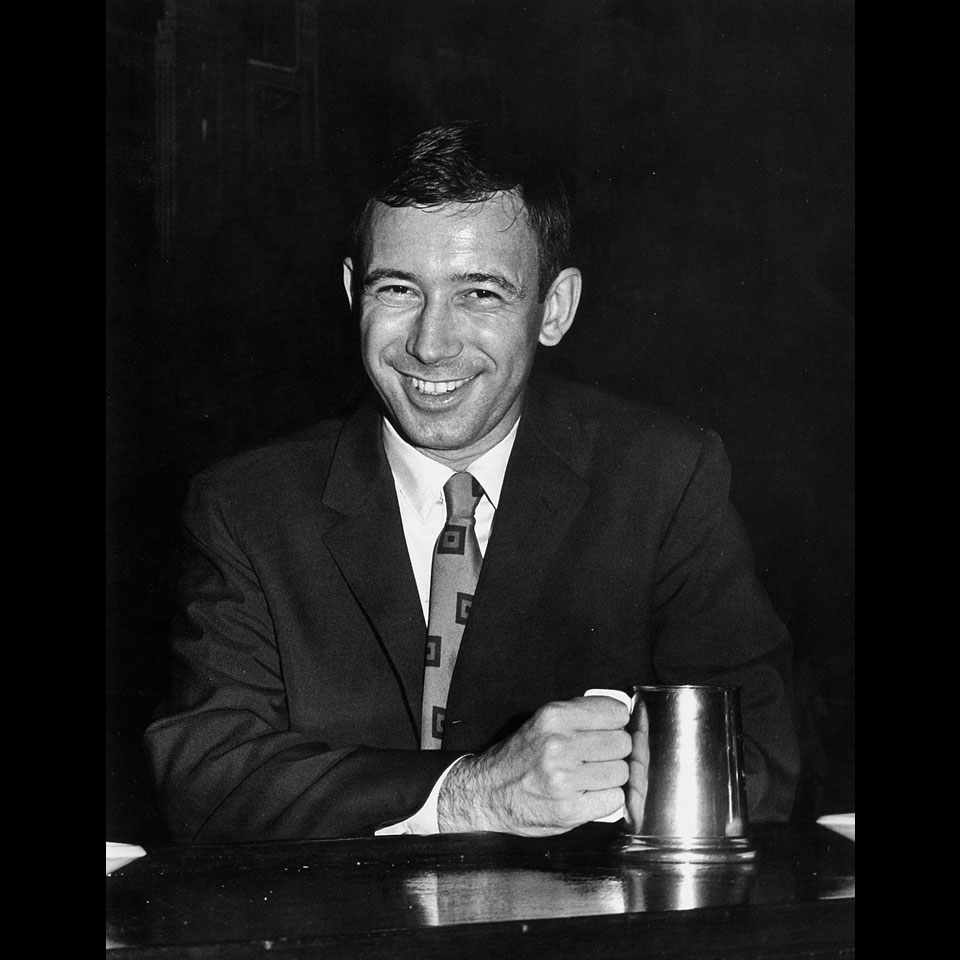
Bruce Cook (alias) Alexander, 1932-2003
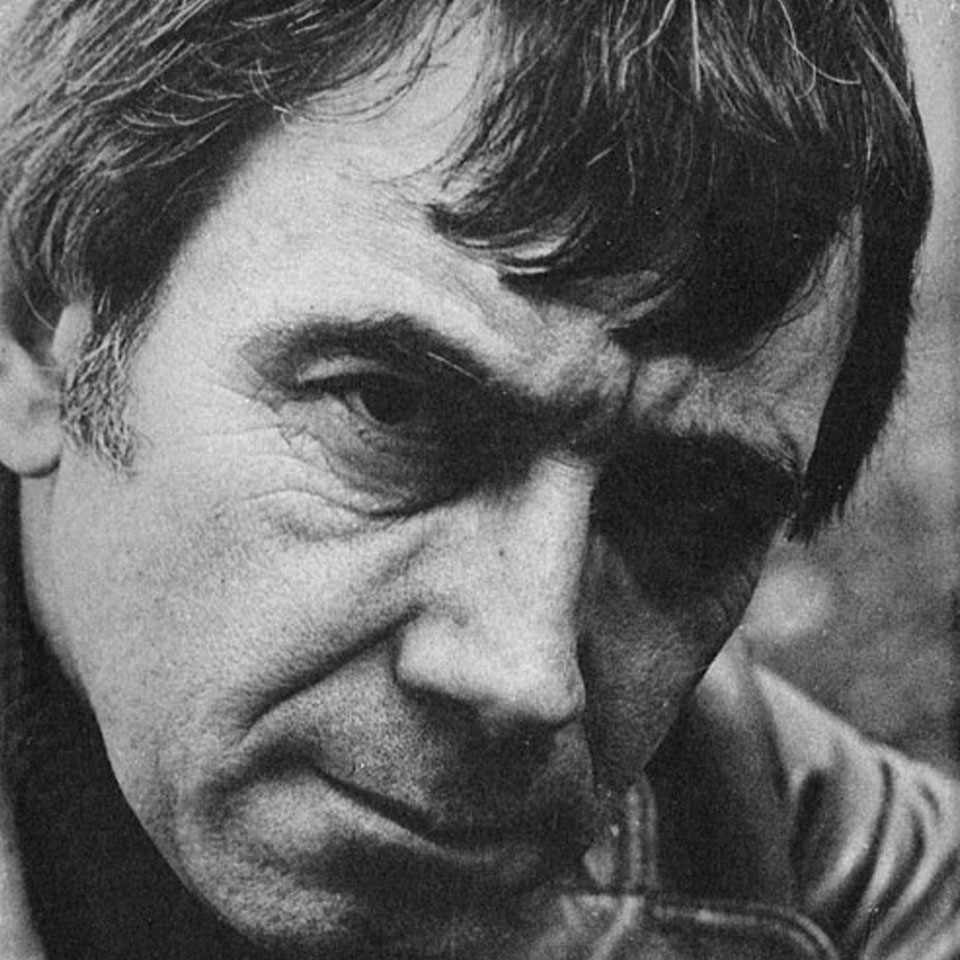
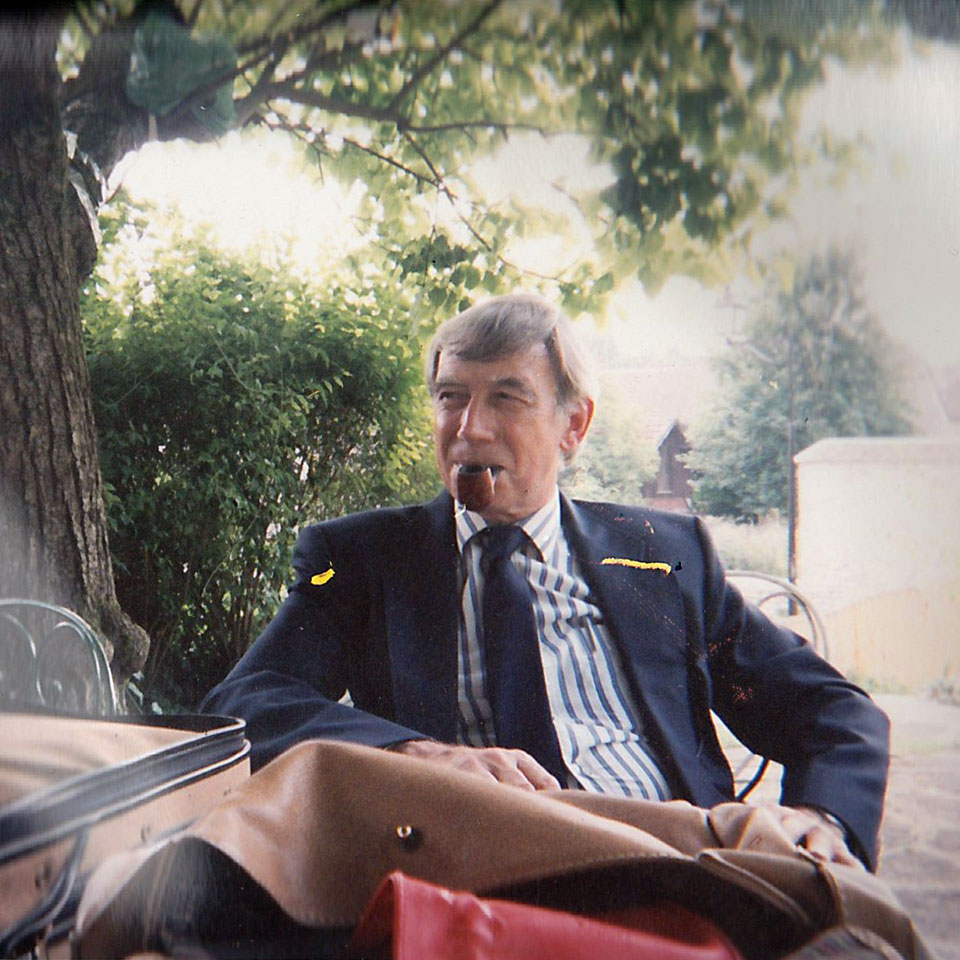
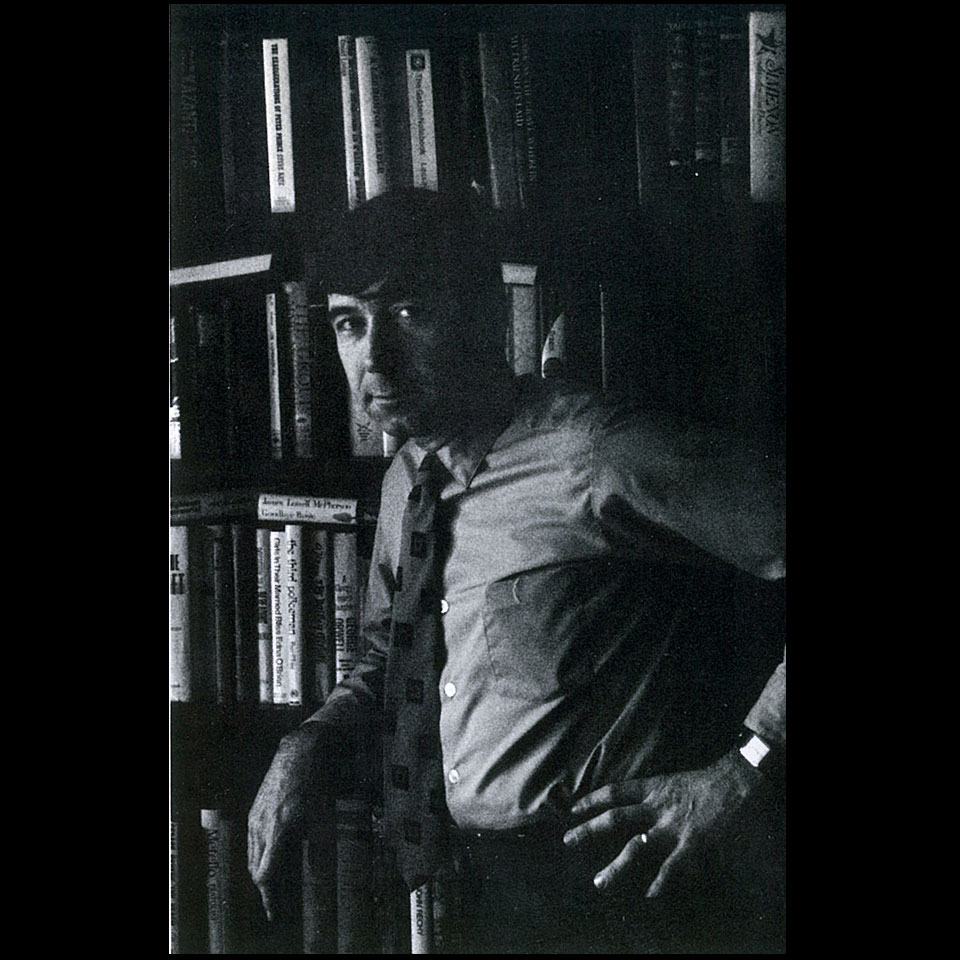
Better known by the pseudonym of Bruce Alexander, Bruce Cook died at the age of 71 on November 9, 2003, in Los Angeles. He is chiefly remembered as the author of the adventures of Sir John Fielding, his main work between 1994 and 2003. Though these ten novels of detection, translated into nine languages, brought him an international reputation, his bibliography includes twelve other books that appeared between 1979 and 2003, along with many hundreds of reviews and articles in many newspapers and magazines.
Bruce Cook: Journalist and Writer
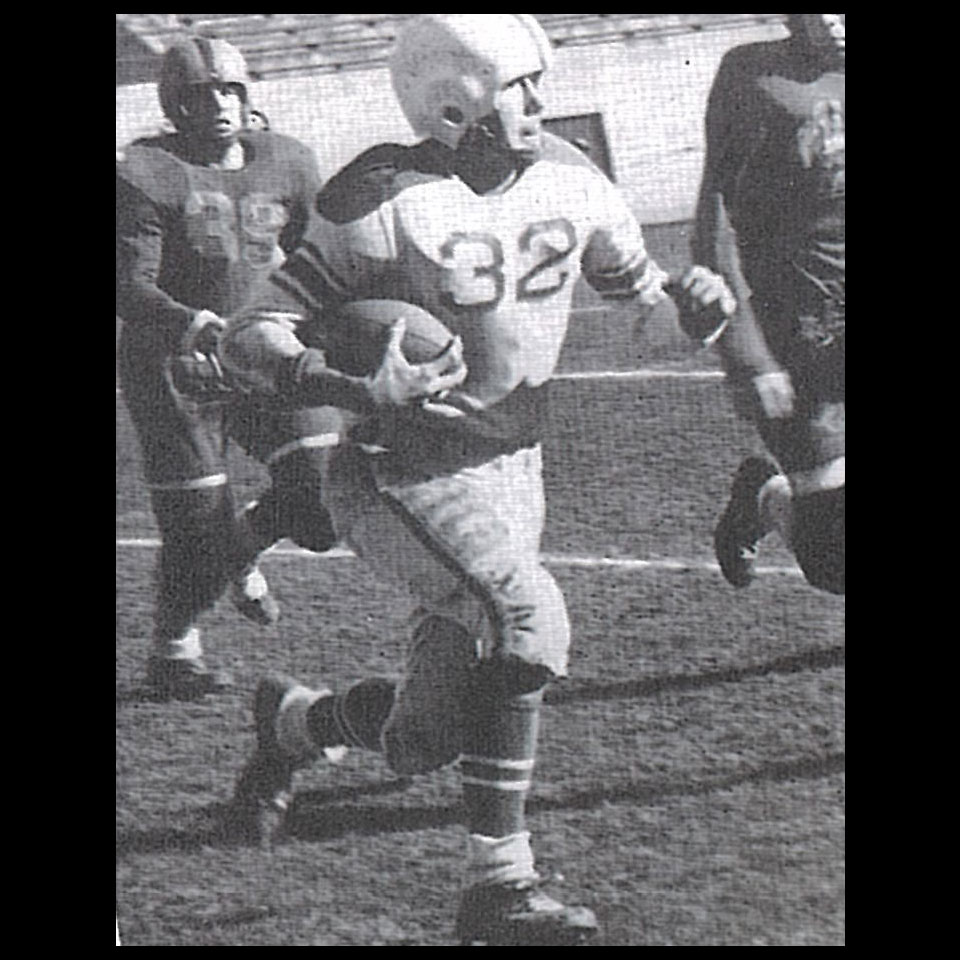
Born in 1932, Bruce Cook grew up in California (Berkeley, Dunsmuir) and in his birthplace, Chicago, where he received a degree in English literature. A translator with the U. S. Army in Germany in the 1950s, he worked for some years in Washington, D. C., before moving to Los Angeles in 1983, where he lived until his death. He spent time in Europe on a regular basis--in Paris, in Normandy, and in England, where he drew inspiration for his writing.
Starting to write early in life, he began his career as a journalist in the 1960s. He worked as critic-of-all-media-duties (with the National Observer from 1967 to 1975), then became film reporter, and book review editor (with the Los Angeles Daily News from 1984-1990), then followed his love of literature by writing many book reviews for The Washington Post, The Wall Street Journal, Detroit News, and USA Today.
At the same time, during the 1970s, Bruce Cook was writing books--The Beat Generation (1971), Listen to the Blues (1973), The Town that Country Built (1993), and two biographies, one of Dalton Trumbo (1977), the other of Bertolt Brecht (1983). His last book was a fictional biography of Shakespeare--Qualms of Conscience: The Confessions of William Shakespeare (2004).
As he liked to tell it, he developed an early interest in fiction. He published Sex Life, a novel of the sexual revolution, in1979, then knew his first success as a crime novelist with the adventures of Chico Cervantes, a California cop turned private eye, the only Mexican-American in crime fiction. Four novels, appearing from 1988 to 1994, make up this series of lively characters--Mexican Standoff, Rough Cut, Death as a Career Move, The Sidewalk Hilton.
A Series of Novels: The Adventures of Sir John Fielding
The adventures of Sir John Fielding, long considered--he discovered his historical hero in a volume of history in 1977 and structured the framework for the first Sir John novel in1982--have delighted readers since the publication of the first volume, Blind Justice, in 1994. Each novel in the series is centered in a different setting or theme. Blind Justice(1994) is about depravity among the nobility; Murder In Grub Street (1995) concerns the place of Jews in society; Watery Grave (1996), the Navy; Person or Persons Unknown (1997), prostitution. Jack, Knave and Fool (1998) delves into the world of show business and autopsies. The action of Death of a Colonial (1999) takes place principally in the city of Bath in its heyday. The Color of Death (2000) confronts the question of slavery; Smuggler's Moon (2001) investigates judicial corruption and contraband in the English Channel. An Experiment in Treason concerns the American Revolution. The Price of Murder (2003) unfolds in the world of horse racing. From one book to the next, the same characters meet again and again and the reader not only lives in the lives of the two admirable heroes, but also in the lives of small-time crooks, a gambling bigwig, a visionary doctor, and prostitutes with hearts of gold. These novels captivate the reader both for their real and fictional heroes and for the liveliness of a style that unites a marvelous and moving sense of humor with irony and good cheer.
The crime novel is sometimes relegated to a secondary rank in literature, and only certain authors are capable of raising the genre to the status of serious fiction. The adventures of Sir John Fielding, which uses an original point of view--that of a poor orphan who lends his eyes and pen to a blind judge--are distinguished by the quality of the writing and the accuracy of the historical setting. They make Bruce Alexander a great author of historical crime fiction.
Alain Kerhervé
Senior Lecturer in English
University of Bretagne Occidentale
November 21, 2003
www.univ-brest.fr/hcti
Note: A final novel in the Sir John Fielding series--Rules of Engagement--was published in 2005, two years after Bruce Alexander's death.
Articles & Essays
- "Cook's Tour of the Past" January Magazine, Tom Nolan
- "Well Read" Chicago Tribune, John Blades, 1994
- "Booked" Commonweal, Harold Bordwell (reprinted with permission)
- "The Making of a Sleuth" LA Times, Martin Booe
- "Murder As A Fine Art The Changing Crime Novel" Washington Post, Bruce Cook, 1988
- "The Worst Of Times, The Best Of Books" Washington Post, Bruce Cook, 1989
- "Hard-Boiled With A Touch Of Salsa" Washington Post, Carolyn Banks, 1988
- Autobiographical Essay, Bruce Cook
Book List
Audio
Clip: "The Confessions of William Shakespeare"
Works
 The Beat Generation
Scribners 1971; Morrow 1994
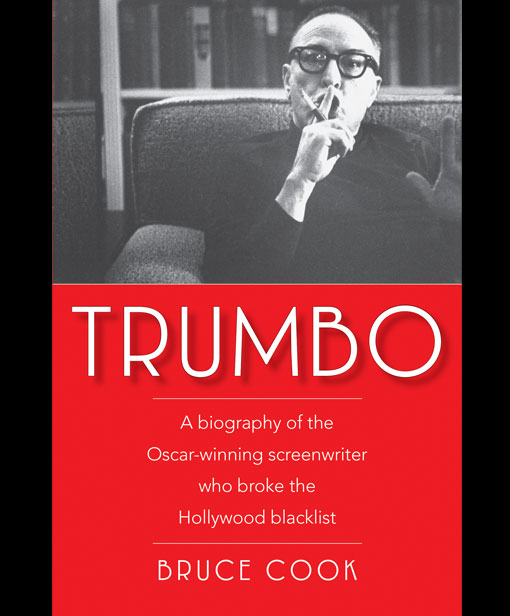 Dalton Trumbo
Scribners, 1977; "Trumbo". Grand Central Publishing, 2015
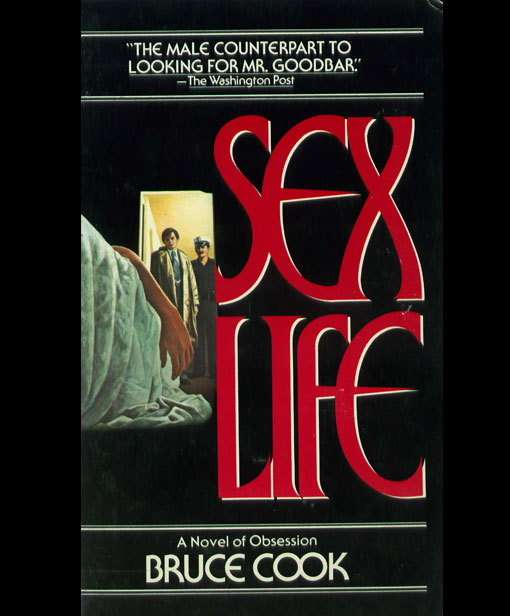 Sex Life
Evans, 1979; Dell, 1980
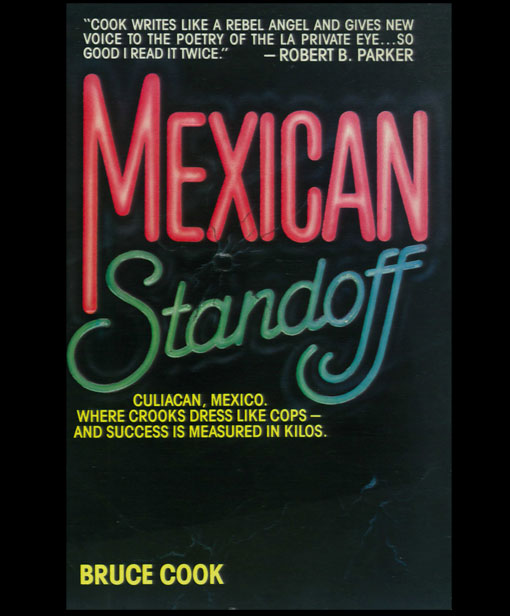 Mexican Standoff
Watts, 1988
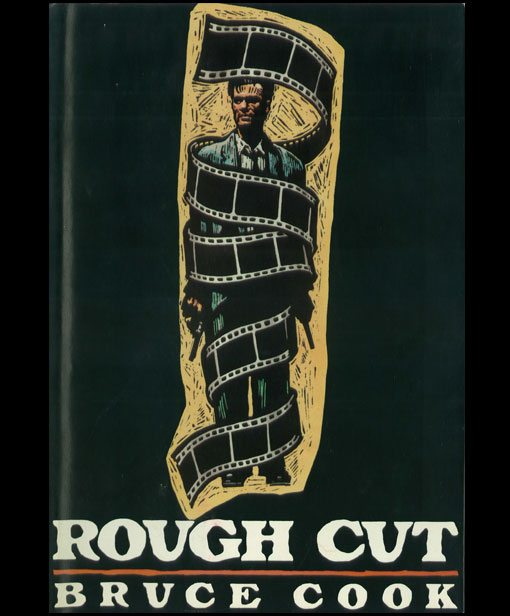 Rough Cut
St. Martin's 1990
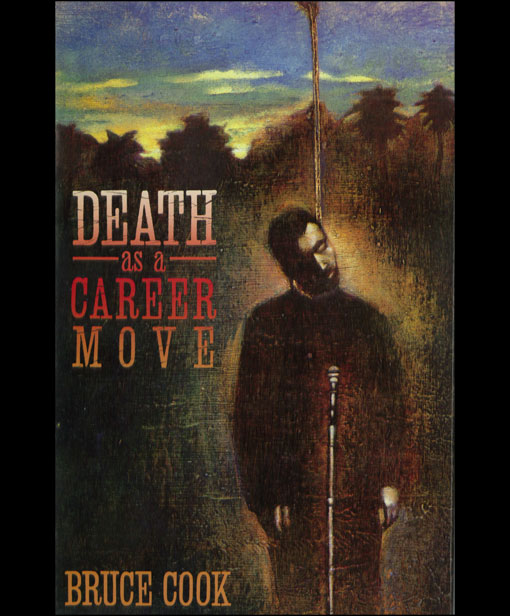 Death as a Career Move
St. Martin's, 1992
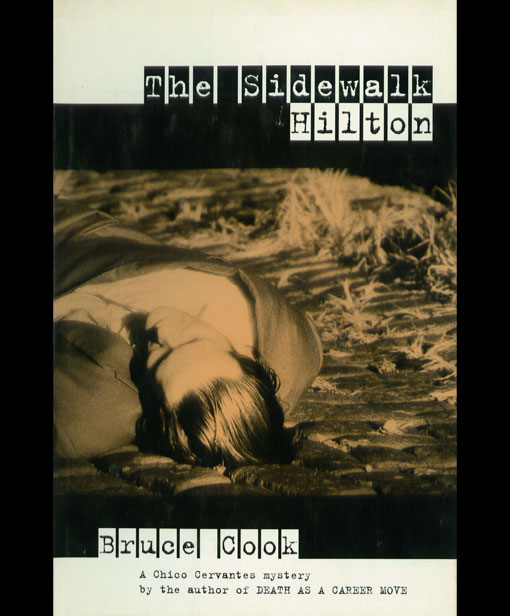 The Sidewalk Hilton
St. Martin's. 1994
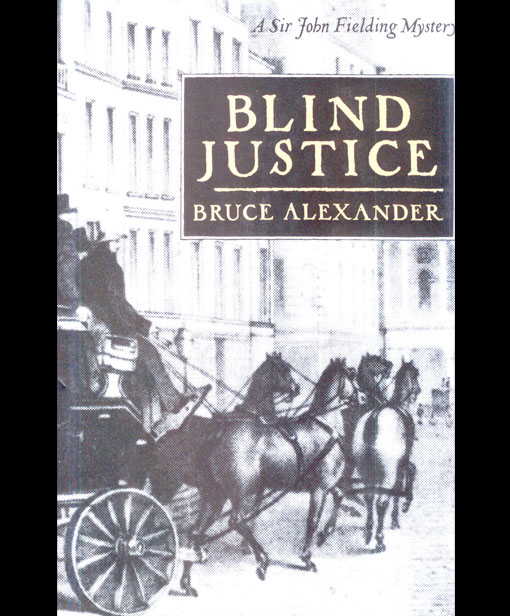 Blind Justice
Putnam, 1994; Berkley, 1995, 2009
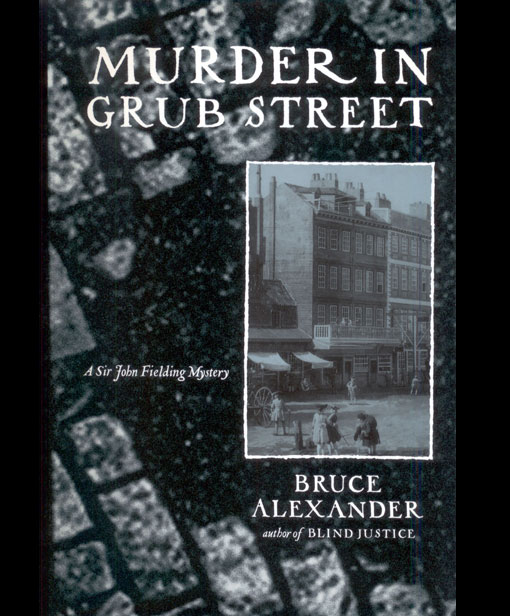 Murder in Grub Street
Putnam, 1995; Berkley, 1996, 2010
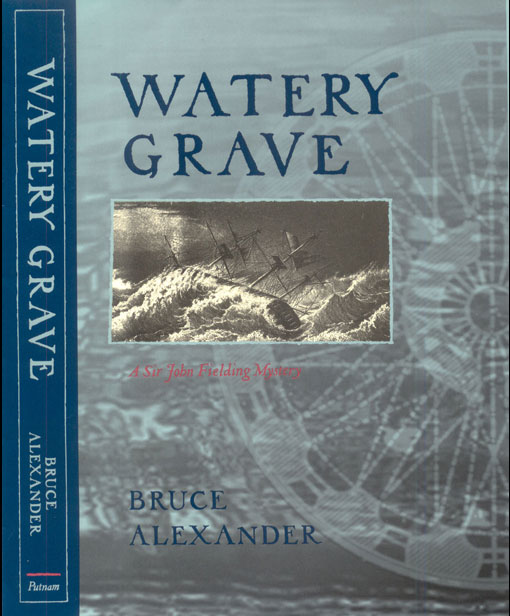 Watery Grave
Putnam, 1996; Berkley, 1996
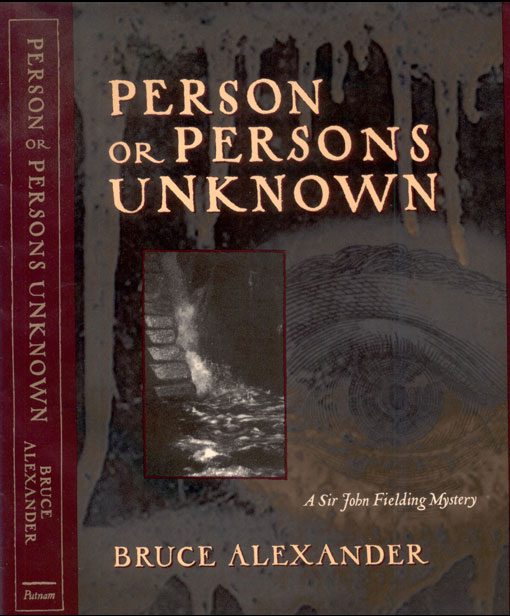 Person or Persons Unknown
Putnam, 1997; Berkley 1998
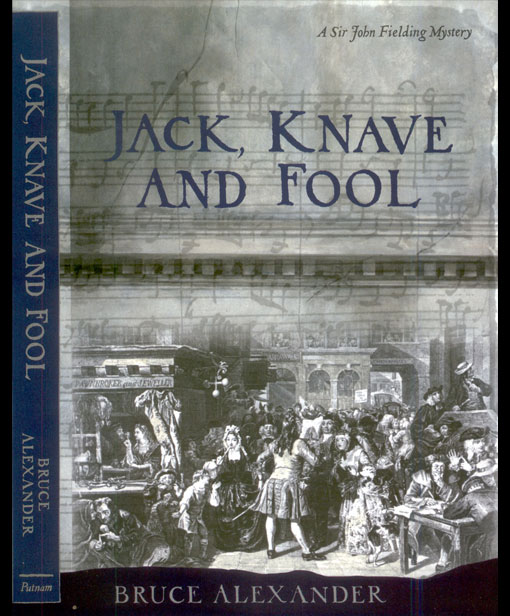 Jack, Knave and Fool
Putnam, 1998; Berkley, 1999
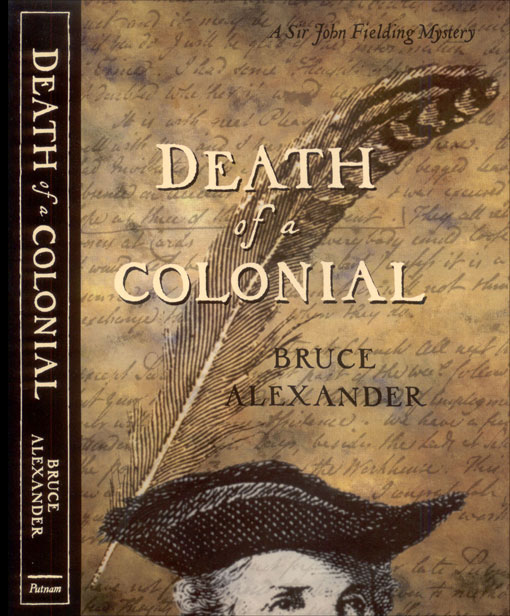 Death of a Colonial
Putnam, 1999; Berkley, 2000
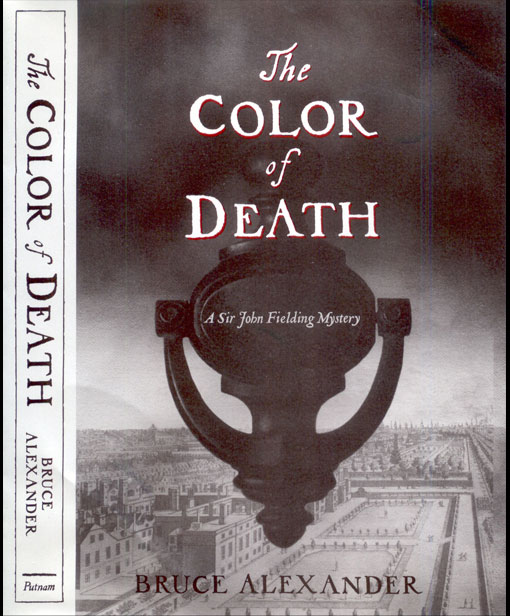 The Color of Death
Putnam, 2000; Berkley, 2001
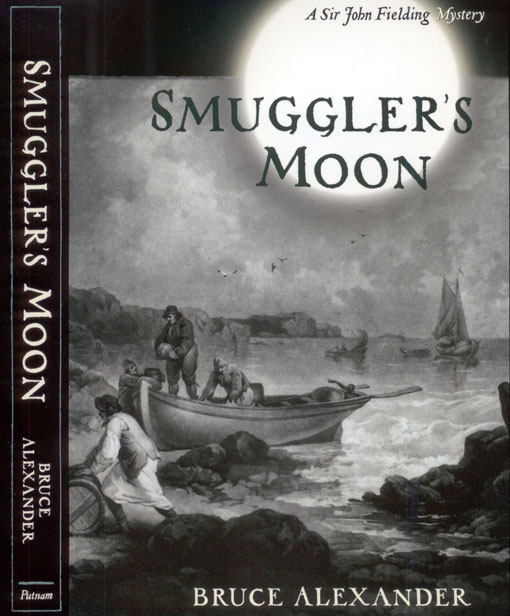 Smuggler's Moon
Putnam, 2001; Berkley, 2002
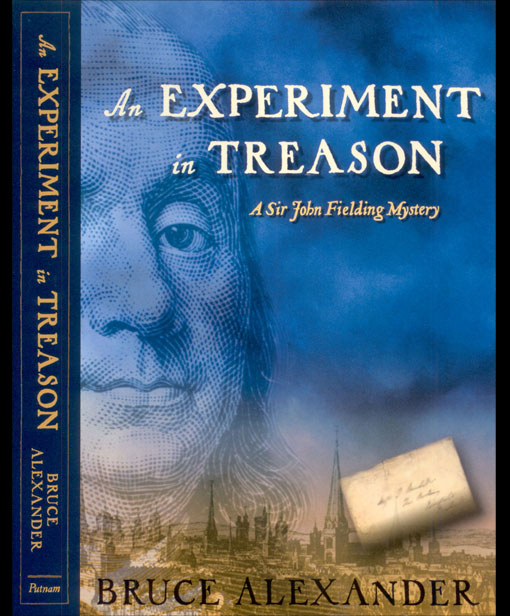 An Experiment in Treason
Putnam, 2002; Berkley, 2003
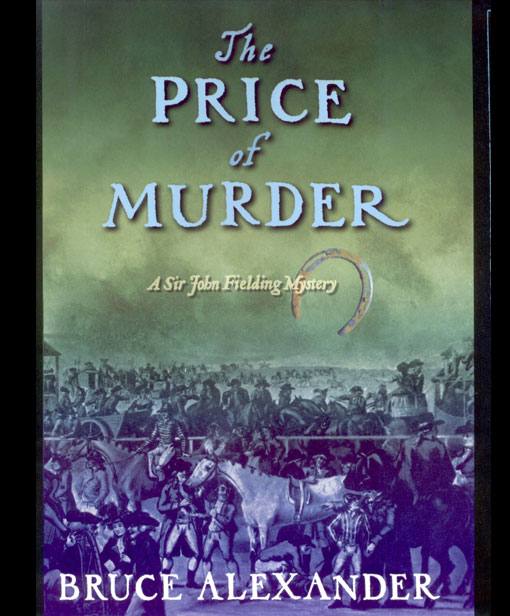 The Price of Murder
Putnam, 2003; Berkley, 2004
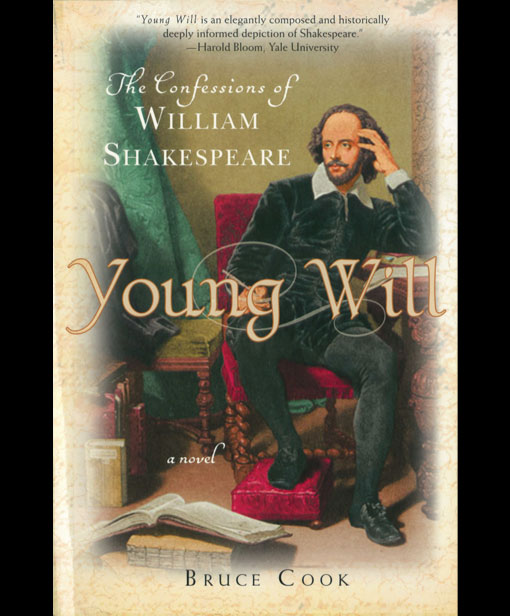 Young Will:
The Confessions of William Shakespeare
(posthumously) Truman Talley Books (St. Martin's), 2004; Griffin, 2005
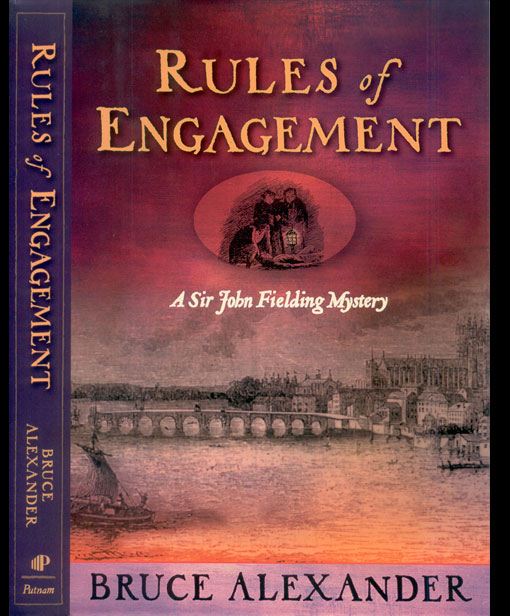 Rules of Engagement
(posthumously), Putnam, 2005; Berkley, 2006
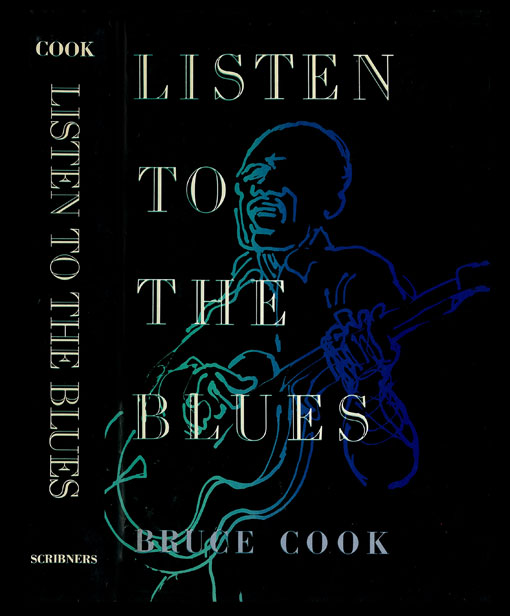 Listen to the Blues
Scribners, 1973; Da Capo, 1995
 Brecht in Exile
Holt, Rinehart & Winston, 1983
Photos
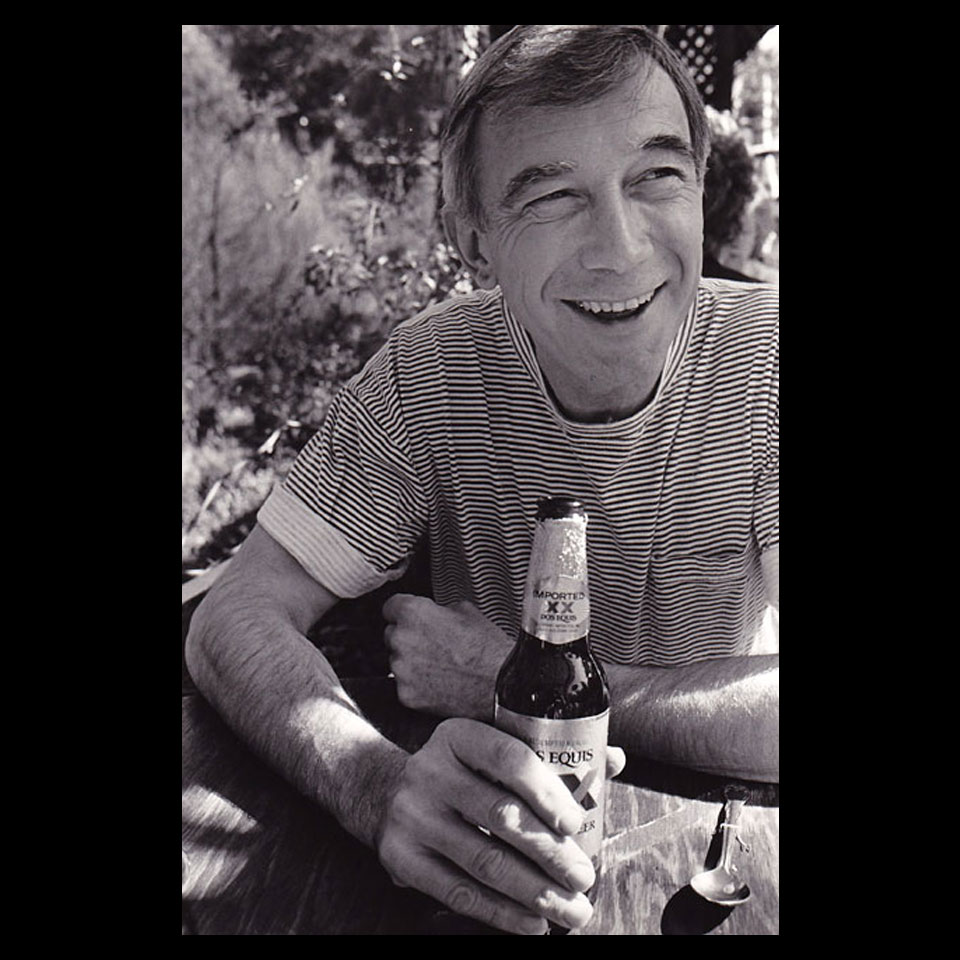
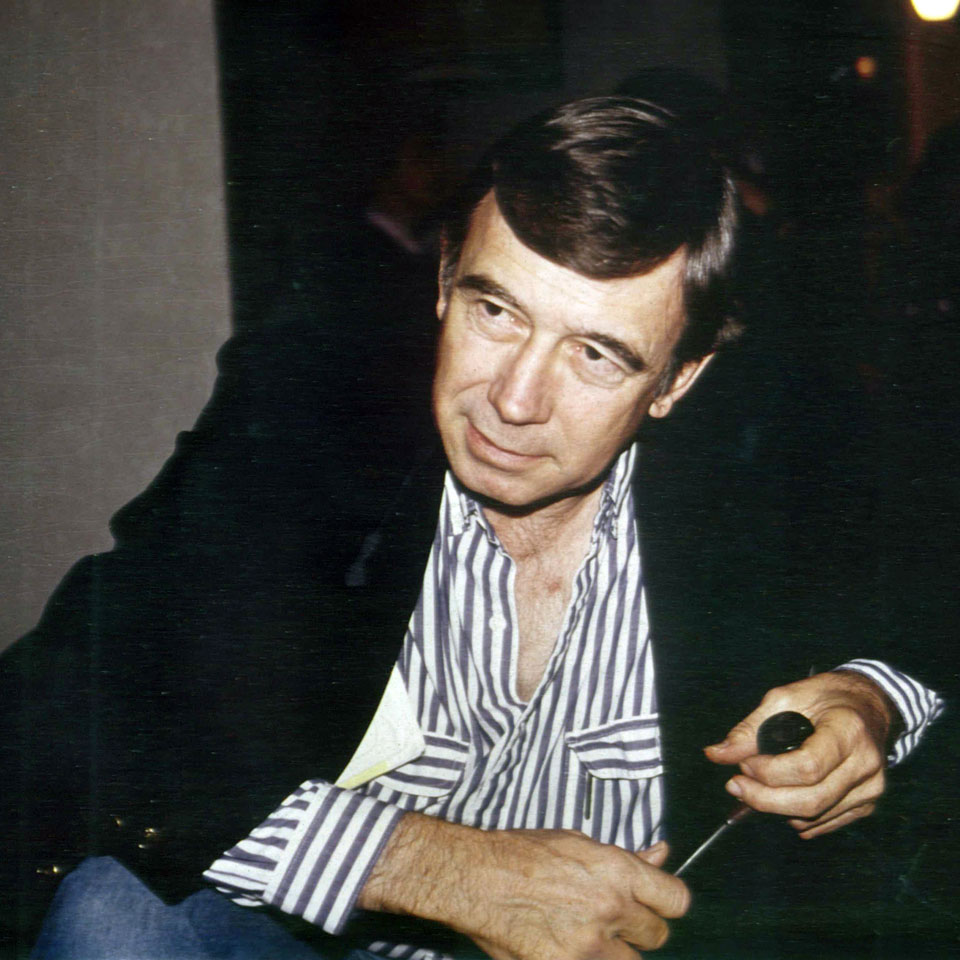
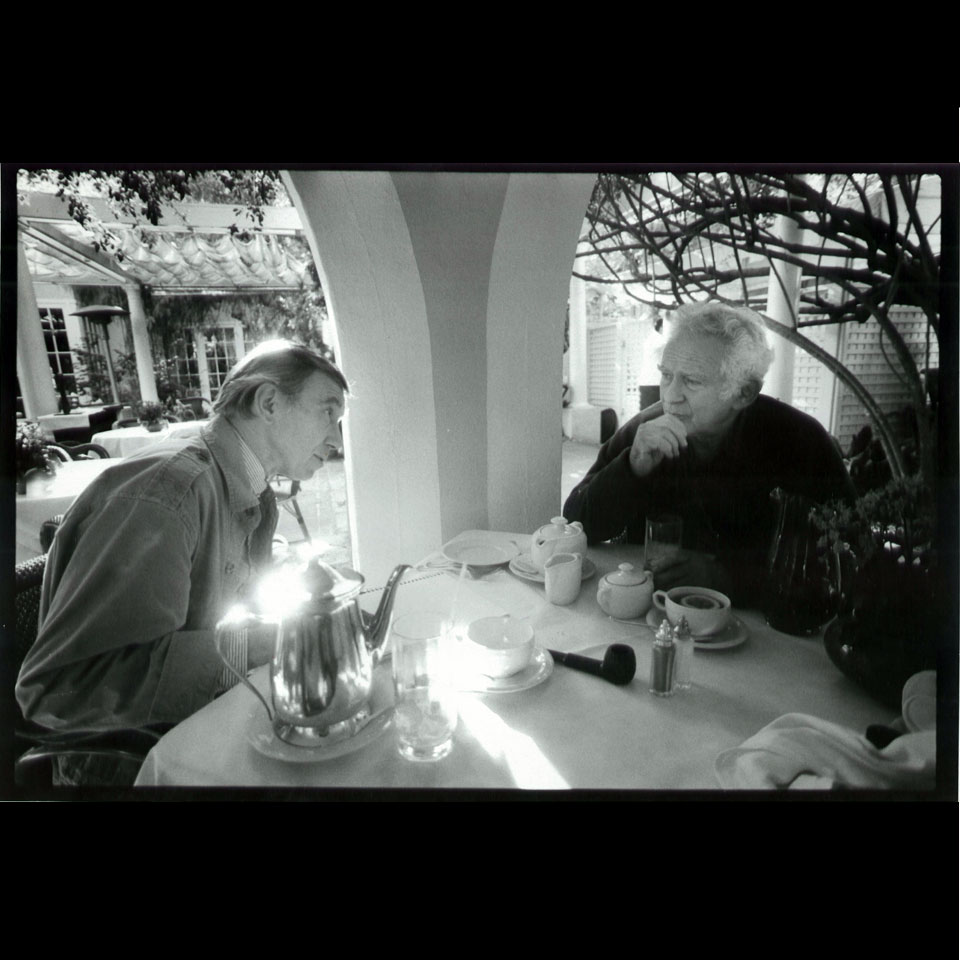
John Blades, 2003